
01 · Problem The Challenge
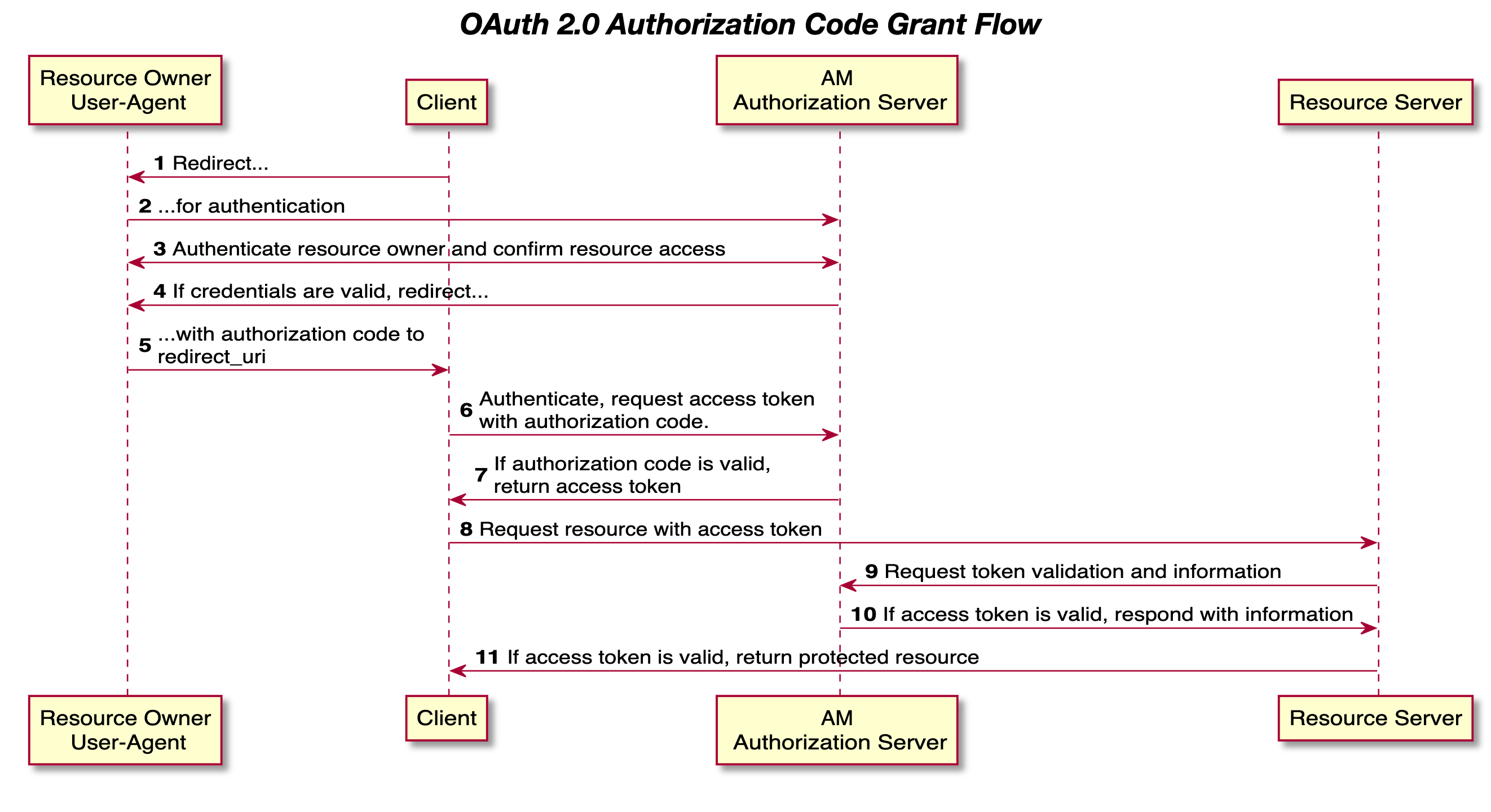
The organization was bottlenecked by an aging PHP authentication monolith that lacked modern OAuth 2.0 capabilities, blocking the secure integration of new mobile and web clients. The mandate was to architect a centralized OpenID Connect (OIDC) provider from scratch supporting a multi-grant architecture. It needed to handle Implicit and Token flows for web integrations, while strictly enforcing the Authorization Code Flow with PKCE to protect mobile apps.
The most formidable constraint was executing this transition with absolute zero downtime. Since a mass password reset was an unacceptable business disruption, the core challenge was engineering a seamless bridge to validate legacy credentials and upgrade outdated cryptographic hashes on the fly without a single service interruption.
02 · Solution The Approach
To establish a single source of truth for authentication, I engineered a robust, containerized OpenID Connect (OIDC) Identity Provider from the ground up. Rather than simply patching the old framework, this required a fundamental shift in how the organization handled user identity and authorization across its entire ecosystem.
To navigate the strict zero-downtime constraint, I designed a Just-In-Time (JIT) migration strategy to bridge the gap between the legacy database and the new infrastructure. I built a custom login interceptor that detects legacy accounts the exact moment a user signs in. Behind the scenes, it verifies their credentials against the old schema and seamlessly upgrades them to modern PBKDF2 cryptographic hashes on the fly. This approach effectively neutralized years of technical debt and delivered a massive security upgrade, all while remaining completely invisible to the end user.
03 · Engineering Key Technical Highlights
OAuth 2.0 Architecture
Configured a robust OIDC server supporting multiple grants with strict PKCE enforcement against interception attacks. Designed a full token lifecycle system.
Auto-Upgrading Security
Designed a custom login route that intercepts legacy auth attempts, safely upgrading successful logins to modern cryptographic hashes dynamically.
Scope-Based Access
Implemented strict access controls on API endpoints, ensuring clients can only access data for which they have explicitly been granted scope.
Automated ETL Scripting
Built a custom data migration script using SQLAlchemy that processed legacy user data in memory-efficient batches with proper error rollbacks.